I proposed to them that money is a measure of the extent to which we as human beings serve others. It is our goal, at the Innovation Hub at Broward College, to inculcate to our members and program participants what we understand the entrepreneurial mindset is. With this mindset, you would understand that if another human being voluntarily, as a result of a non-coercive exchange, gave you money, it is ultimately because you made them happy. You, in turn, would be more than happy to accept this money. Why more than happy? Because, you would be experiencing the same feeling that your customer has. What you have to realize is that he or she would also be more than happy to give you the money. When money is exchanged, it is because both parties agree that the value they are receiving in exchange is more than what they are giving up.
Do you think that successful entrepreneurs, the ones that built multibillion dollar companies - or even the ones who built good businesses that help them provide for themselves and their families - had on the top of their mind, when they started out, the main driving thought that they wanted to put together a business so that they could make a lot of money with it? Perhaps in some cases some did. We teach our entrepreneurs at the Innovation Hub that the successful ones got to be that way because making lots of money was not the main thought driving their actions. Pleasing a lot of people, making a lot of people happy by providing value to the most people they could was, in my view, the driving force behind their success. If you understand this, you have one big part of the entrepreneurial mindset down.
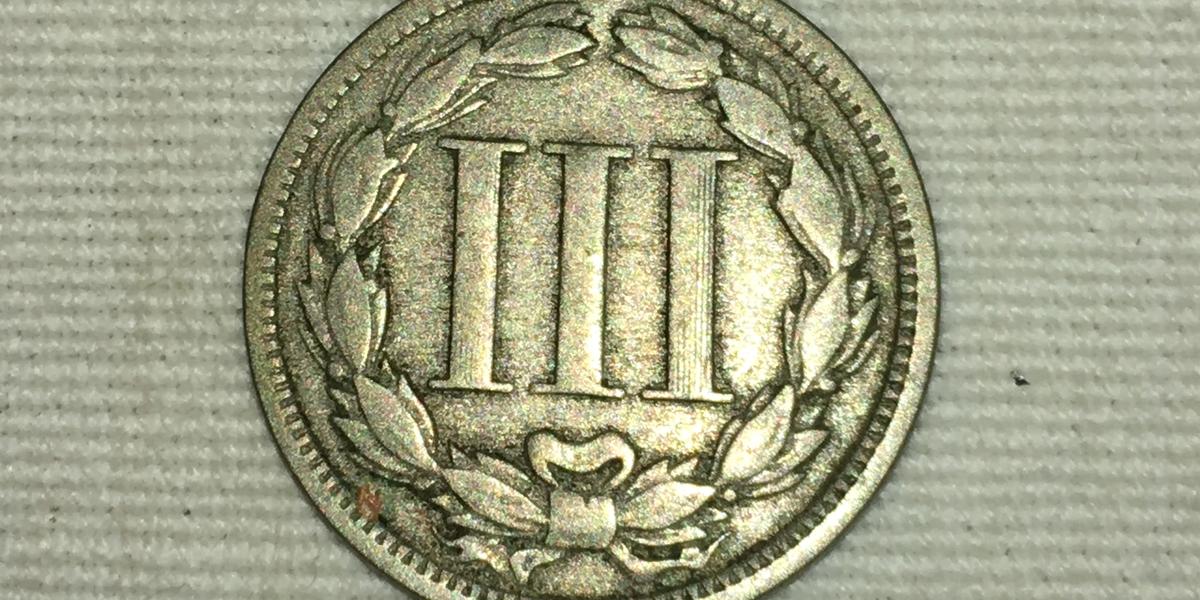
The other part that you would now need to understand is what determines value. As we discussed last week during boot-camp, it is not dependent on the amount of material, labor or time it takes to produce something. Value is subjective. It is based on your preferences, opinions, likes and dislikes. How much would you pay for the 3-cent piece above from the year Leland Stanford drove the last spike joining the Union Pacific and the Central Pacific railroads at Promontory Summit in Utah and changing the economic landscape of the country forever? As a middle schooler newspaper delivery boy, making about $10 a week, my preferences drove me to spend a decent portion of my weekly salary to own this piece of history. You could own this same coin today for about $25. You could spend $50 for the same date coin in near mint condition, or spend hundreds or thousands for the same coin from dates in which very few were minted. Back then, I wanted to own all US coin types I could afford within a reasonable budget that came from the jobs I could hold as my parents could not afford to subsidize my hobby. Back then, I worked hard for this three cent nickel.
Today, as I did back then, consumers continue to spend their money based on the subjective value they assign to the goods and services they purchase. They decide on brands - subjectively. They buy hard goods, software, dining experiences, entertainment, cups of coffee, collectible tennis shoes, artwork to beautify their homes, the right to listen to a song from their mobile devices, appliances that simplify life in the kitchen, toys for their pets, the satisfaction of knowing they contribute to the welfare of someone in need, automobiles, clothes that make them look and feel better, tools – both tangible and intangible – that make their life better - subjectively. It is all SUBJECTIVE.
So, here you go, these are my three cents:
Make a lot of people happy in the way they subjectively measure their happiness, and you will be a successful entrepreneur.